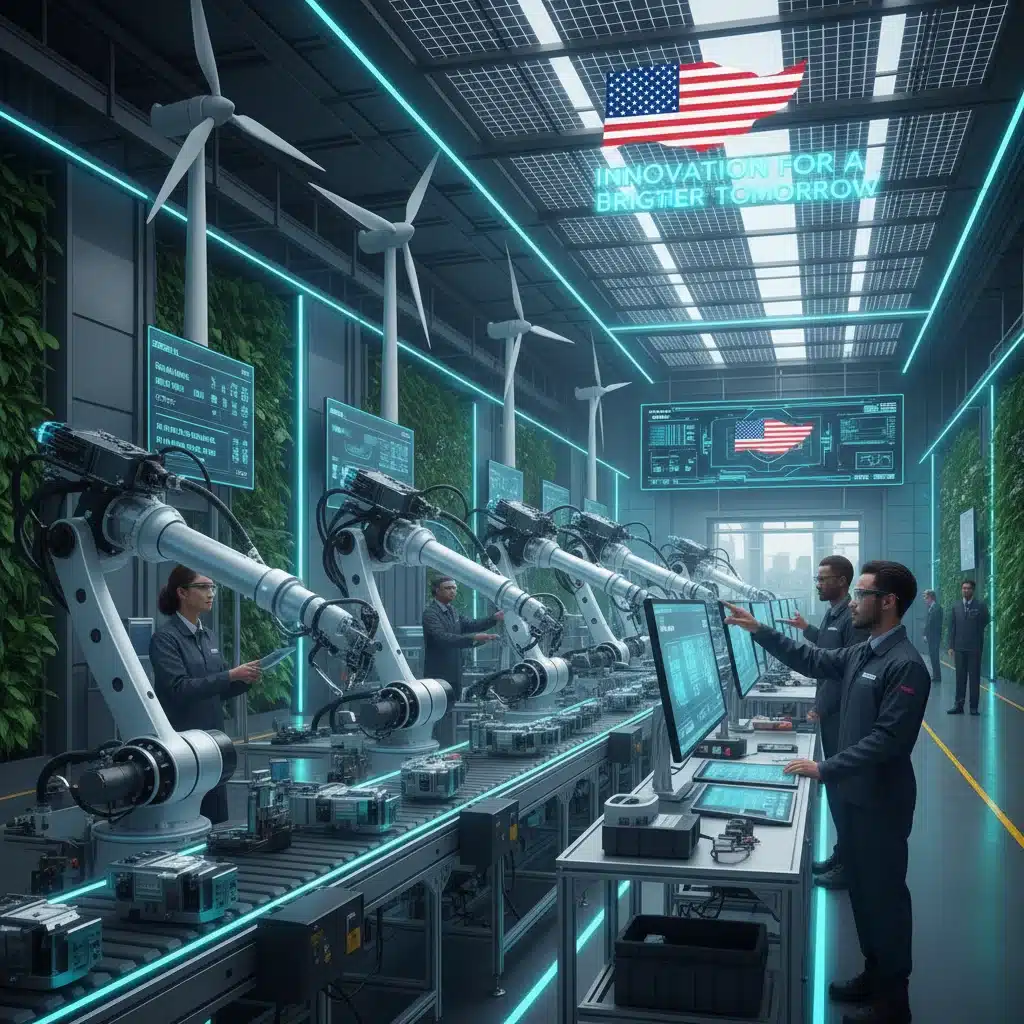
The American industrial landscape is on the cusp of a transformative era. With ambitious targets set for 2026, the U.S. is charting a course for a significant US Manufacturing Revival, aiming to inject vitality back into its industrial core and, crucially, create a staggering 500,000 new jobs. This isn’t just an economic forecast; it’s a strategic imperative, driven by a confluence of factors including geopolitical shifts, technological advancements, and a renewed focus on domestic resilience. This comprehensive article delves into the initiatives, challenges, and immense potential of this industrial resurgence, exploring how the nation plans to achieve these ambitious goals and what it means for the American workforce and economy.
For decades, the narrative surrounding U.S. manufacturing has often been one of decline, offshoring, and job displacement. However, recent years have seen a powerful pivot. Policy makers, industry leaders, and innovators are collectively recognizing the critical importance of a robust domestic manufacturing base, not just for economic prosperity but for national security and technological leadership. The 2026 target of 500,000 new jobs in manufacturing is a testament to this renewed commitment, signifying a strategic move towards re-industrialization and the fostering of a more resilient, self-sufficient economy. This isn’t merely about bringing old factories back online; it’s about building the factories of the future, powered by advanced technologies and a highly skilled workforce.
The Strategic Pillars of the US Manufacturing Revival
Achieving a goal as significant as 500,000 new manufacturing jobs by 2026 requires a multi-faceted approach, underpinned by several strategic pillars. These pillars encompass policy, technology, workforce development, and supply chain resilience. Each element plays a crucial role in creating an environment conducive to growth and innovation within the manufacturing sector.
1. Policy and Investment Incentives
Government policies are the bedrock upon which this US Manufacturing Revival is being built. Significant legislative efforts and investment programs are designed to incentivize companies to onshore production, invest in new facilities, and adopt advanced manufacturing techniques. These include:
- Tax Credits and Subsidies: Offering substantial tax breaks for companies that invest in new manufacturing equipment, research and development (R&D), and job creation within the U.S.
- “Made in America” Directives: Strengthening procurement policies to prioritize domestically produced goods for government contracts, thereby creating a stable demand for American-made products.
- Strategic Industry Support: Targeted investments in critical sectors such as semiconductors, electric vehicle batteries, pharmaceuticals, and renewable energy components, recognizing their strategic importance for national security and economic competitiveness.
- Infrastructure Development: Investing in modernizing ports, roads, bridges, and digital infrastructure to support efficient supply chains and reduce logistical costs for manufacturers.
These policy interventions are not just about financial incentives; they signal a long-term commitment from the government to foster a competitive and innovative manufacturing ecosystem. They aim to level the playing field for domestic producers and encourage a shift away from over-reliance on foreign supply chains.
2. Embracing Advanced Manufacturing Technologies
The factories of tomorrow will look vastly different from those of yesterday. The US Manufacturing Revival is heavily reliant on the adoption and integration of cutting-edge technologies. This technological leap is essential for increasing productivity, improving quality, and making U.S. manufacturing globally competitive.
- Automation and Robotics: The deployment of collaborative robots (cobots) and advanced robotic systems to handle repetitive or hazardous tasks, improving efficiency and safety while allowing human workers to focus on higher-value activities.
- Artificial Intelligence (AI) and Machine Learning (ML): Utilizing AI for predictive maintenance, quality control, supply chain optimization, and personalized production, leading to smarter, more responsive manufacturing processes.
- Additive Manufacturing (3D Printing): Expanding the use of 3D printing for rapid prototyping, customized production, and the creation of complex parts, reducing material waste and lead times.
- Internet of Things (IoT) and Industrial IoT (IIoT): Connecting machines, sensors, and systems across the factory floor to collect real-time data, enabling better decision-making, process optimization, and predictive analytics.
- Digital Twins: Creating virtual replicas of physical assets, processes, and systems to simulate performance, identify potential issues, and optimize operations before physical implementation.
These technologies are not just about replacing human labor; they are about augmenting it, creating new types of jobs, and significantly enhancing the capabilities of the American manufacturing sector. The focus is on smart factories that are agile, efficient, and capable of producing high-quality, customized products at scale.
3. Workforce Development and Skill Enhancement
The creation of 500,000 new jobs by 2026 necessitates a robust and well-trained workforce. The skills gap in manufacturing has been a persistent challenge, but the US Manufacturing Revival initiatives are directly addressing this through comprehensive education and training programs.
- Vocational Training and Apprenticeships: Expanding and modernizing vocational schools and apprenticeship programs to equip workers with the hands-on skills required for advanced manufacturing, including robotics operation, data analytics, and mechatronics.
- Community College Partnerships: Collaborating with community colleges to develop curricula that align with industry needs, offering certifications and degrees in high-demand manufacturing fields.
- Reskilling and Upskilling Initiatives: Providing opportunities for existing workers to learn new skills and adapt to technological changes, ensuring a smooth transition into new roles within the evolving manufacturing landscape.
- STEM Education Promotion: Encouraging interest in Science, Technology, Engineering, and Mathematics (STEM) from an early age to build a pipeline of future innovators and skilled technicians.
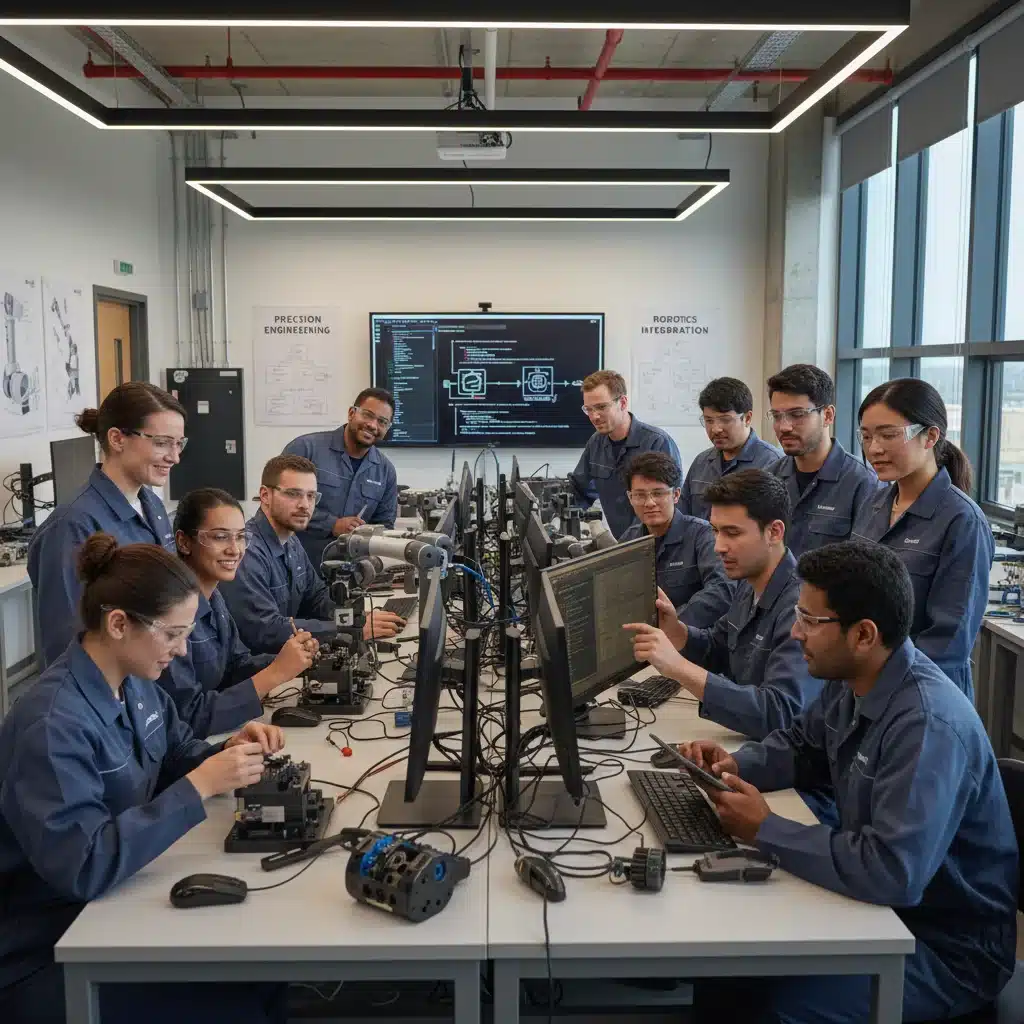
The emphasis is on creating a workforce that is adaptable, tech-savvy, and capable of thriving in a dynamic industrial environment. This includes not only engineers and technicians but also data scientists, cybersecurity specialists, and logistics experts, all integral to the modern manufacturing ecosystem.
4. Strengthening Supply Chain Resilience
The vulnerabilities exposed during recent global disruptions have underscored the critical need for more resilient and localized supply chains. The US Manufacturing Revival places a strong emphasis on reducing reliance on single points of failure and fostering domestic sourcing.
- Domestic Sourcing Incentives: Encouraging companies to source raw materials, components, and sub-assemblies from within the U.S. or from trusted allied nations.
- Supply Chain Mapping and Diversification: Helping companies identify critical dependencies and diversify their supplier base to mitigate risks.
- Strategic Stockpiling: Building reserves of essential materials and components, particularly for critical industries like healthcare and defense.
- Regional Manufacturing Hubs: Developing interconnected regional manufacturing hubs that can share resources, expertise, and production capabilities, creating a more distributed and robust industrial network.
By strengthening supply chain resilience, the U.S. aims to insulate its manufacturing sector from external shocks, ensure the continuous flow of goods, and create a more stable environment for job growth and investment.
The Economic Impact and Future Outlook
The successful implementation of the US Manufacturing Revival initiatives is projected to have a profound impact on the American economy, extending far beyond the direct creation of 500,000 new jobs.
Job Growth and Economic Multipliers
The 500,000 direct manufacturing jobs are just the beginning. Manufacturing jobs typically have a high multiplier effect, meaning each direct job supports several indirect jobs in related sectors such as logistics, services, technology, and retail. This ripple effect will stimulate broader economic growth, increase consumer spending, and create a more vibrant job market across various industries.
Innovation and Competitiveness
A revitalized manufacturing sector, driven by advanced technologies, will foster a culture of innovation. Increased R&D investment, patent generation, and the development of new products and processes will enhance the U.S.’s global competitiveness. This will attract further foreign direct investment and position the U.S. as a leader in emerging industrial fields.
National Security and Self-Sufficiency
Reducing reliance on foreign supply chains for critical goods, from medical supplies to defense components, significantly enhances national security. The ability to produce essential items domestically ensures that the U.S. can respond effectively to crises and maintain strategic independence.
Regional Economic Development
The manufacturing revival is expected to bring economic prosperity to various regions across the U.S., particularly those that have experienced industrial decline. New factories and expanded operations will revitalize local economies, create opportunities for small businesses, and improve the quality of life in these communities.
Challenges and Considerations
While the outlook for the US Manufacturing Revival is optimistic, several challenges must be addressed to ensure its long-term success:
- Global Competition: Maintaining competitiveness against lower-cost production regions will require continuous innovation, efficiency gains, and strategic policy support.
- Talent Pipeline: Despite aggressive workforce development initiatives, ensuring a consistent pipeline of skilled workers to fill the 500,000 new jobs will remain a critical challenge.
- Investment Capital: Attracting and sustaining the necessary private sector investment in new facilities and technologies will be crucial.
- Environmental Sustainability: Balancing industrial growth with environmental protection and sustainable practices will be paramount.
Case Studies and Success Stories
While the 2026 goals are forward-looking, early indicators and ongoing projects provide a glimpse into the potential of the US Manufacturing Revival. For instance, the CHIPS and Science Act has already spurred significant investments in semiconductor manufacturing, with new fabs being built across states like Arizona and Ohio, promising thousands of high-tech jobs. Similarly, investments in electric vehicle (EV) battery plants are transforming regions, creating new ecosystems around green energy technologies.
These examples highlight the tangible impact of strategic policies and private sector commitment. Companies are recognizing the benefits of closer proximity to R&D, faster response times to market demands, and a more secure operational environment within the U.S.
The Role of Small and Medium-Sized Enterprises (SMEs)
The US Manufacturing Revival is not solely dependent on large corporations. Small and Medium-sized Enterprises (SMEs) play a vital role in the manufacturing ecosystem, often acting as suppliers, innovators, and specialized producers. Government programs and industry initiatives are increasingly focused on providing SMEs with access to capital, technology adoption support, and workforce training resources to ensure their participation in this resurgence.
Anúncios
SMEs are often more agile and can adapt quickly to new technologies and market demands. Supporting their growth and integration into advanced manufacturing supply chains is essential for creating a diverse and robust industrial base.
Sustainability and Green Manufacturing
A key aspect of the modern US Manufacturing Revival is the integration of sustainability and green manufacturing practices. This involves:
- Energy Efficiency: Implementing energy-efficient processes and renewable energy sources to reduce the carbon footprint of manufacturing operations.
- Waste Reduction and Recycling: Adopting circular economy principles to minimize waste generation and maximize material reuse and recycling.
- Sustainable Materials: Researching and utilizing environmentally friendly and responsibly sourced materials in production.
- Clean Technologies: Investing in and developing technologies that reduce pollution and environmental impact.

Anúncios
This commitment to sustainability not only addresses environmental concerns but also creates new market opportunities, reduces operational costs in the long run, and enhances the U.S.’s reputation as a leader in responsible industrial development.
The Road Ahead: Collaboration and Adaptation
The journey towards a full-fledged US Manufacturing Revival and the creation of 500,000 new jobs by 2026 requires continuous collaboration among government agencies, private industry, educational institutions, and labor organizations. It also demands adaptability in the face of evolving global dynamics and technological advancements.
Regular assessment of progress, agile policy adjustments, and proactive engagement with stakeholders will be critical to navigate potential obstacles and capitalize on emerging opportunities. The goal is not just to meet the job creation target but to establish a sustainable, innovative, and resilient manufacturing sector that can thrive for decades to come.
Conclusion
The vision for a significant US Manufacturing Revival by 2026, culminating in the creation of 500,000 new jobs, represents a pivotal moment for the American economy. Through strategic policy interventions, aggressive adoption of advanced technologies, a renewed focus on workforce development, and the strengthening of domestic supply chains, the U.S. is poised to reclaim its leadership in global manufacturing.
This resurgence promises not only economic prosperity and job security for hundreds of thousands of Americans but also enhanced national security and a more sustainable industrial future. The path ahead is challenging, but with concerted effort and unwavering commitment, the dream of a robust, innovative, and competitive American manufacturing sector is well within reach.