LIHEAP 2026: Secure Up to $1,000 for Heating and Cooling Costs This Winter

LIHEAP 2026: Secure Up to $1,000 for Heating and Cooling Costs This Winter
As the chill of winter approaches and the sweltering heat of summer becomes a distant, yet recurring, memory, many households across the United States begin to brace themselves for the inevitable rise in energy bills. For low-income families and individuals, these costs can be a significant burden, often forcing difficult choices between keeping their homes at a safe temperature and other essential expenses like food or medicine. Fortunately, the Low Income Home Energy Assistance Program (LIHEAP) stands as a crucial lifeline, offering vital financial aid to alleviate these pressures. With the 2026 program cycle on the horizon, understanding how to navigate the application process and secure up to $1,000 or more in LIHEAP energy assistance 2026 can make a profound difference.
This comprehensive guide is designed to equip you with all the necessary information about LIHEAP energy assistance 2026, from eligibility requirements and application procedures to maximizing your benefits and finding additional support. Our aim is to demystify the program, ensuring that you and your loved ones can stay warm in the winter and cool in the summer without undue financial stress.
Understanding the Low Income Home Energy Assistance Program (LIHEAP)
The Low Income Home Energy Assistance Program (LIHEAP) is a federally funded program that helps low-income households with their home energy bills. It is designed to assist families and individuals who struggle to afford their heating and cooling costs, preventing energy crises and promoting health and safety. While LIHEAP is a federal program, it is administered by states, territories, and tribal organizations, meaning that specific eligibility criteria, application periods, and benefit amounts can vary significantly from one location to another. This localized approach ensures that the program can adapt to the unique needs and energy costs of different regions.
The Core Mission of LIHEAP
At its heart, LIHEAP aims to:
- Help families pay their heating and cooling bills: This is the most direct and widely recognized benefit of the program.
- Provide emergency assistance: In cases of energy crises, such as a utility shut-off notice or a broken furnace, LIHEAP can offer immediate aid.
- Support low-cost weatherization and energy-related home repairs: Some LIHEAP funds are allocated to help make homes more energy-efficient, reducing future energy costs.
For the upcoming 2026 cycle, the fundamental goals of LIHEAP energy assistance 2026 remain the same: to ensure that vulnerable populations have access to safe and affordable home energy. The program’s continuity is vital, especially given the fluctuating energy markets and the persistent challenge of energy poverty.
Who is Eligible for LIHEAP Energy Assistance 2026?
Eligibility for LIHEAP energy assistance 2026 is primarily based on income and household size, though other factors may also be considered. Since the program is administered at the state and local levels, the exact income thresholds and specific requirements can differ.
General Income Guidelines
Typically, to be eligible for LIHEAP, your household income must be at or below 150% of the federal poverty level, or 60% of the state median income, whichever is greater. Some states may also have specific criteria, such as gross income not exceeding a certain percentage of the federal poverty level for a given household size. It is crucial to check the specific guidelines for your state or tribal area, as these figures are updated annually. For LIHEAP energy assistance 2026, these updated figures will be released closer to the program’s start.
Other Eligibility Factors
- Household Size: The number of people living in your household directly impacts the income threshold. Larger households generally have higher income limits.
- Energy Burden: Some states prioritize households that spend a disproportionately high percentage of their income on home energy.
- Vulnerable Populations: Households with elderly individuals (60 years or older), persons with disabilities, or young children (under 6 years old) often receive priority in LIHEAP applications.
- Citizenship/Residency: Applicants must typically be U.S. citizens or qualified aliens.
It’s important not to self-disqualify. Even if you think your income might be slightly above the threshold, it is always worth checking with your local LIHEAP office, as there might be specific circumstances or programs that could apply to your situation for LIHEAP energy assistance 2026.
The Application Process for LIHEAP Energy Assistance 2026
Applying for LIHEAP energy assistance 2026 requires careful attention to detail and timely submission. While the exact steps may vary by state, the general process involves gathering necessary documentation, completing an application form, and submitting it to your local administering agency.
When to Apply
Application periods for LIHEAP vary by state and often depend on the type of assistance needed (e.g., heating, cooling, crisis). Many states open their heating assistance programs in the fall (October/November) and cooling assistance programs in the spring/summer. It is highly recommended to contact your local LIHEAP office or visit their website well in advance of the heating or cooling season to determine the specific application dates for LIHEAP energy assistance 2026 in your area. Missing the application window can mean missing out on crucial support.
Required Documentation
To ensure a smooth application process, have the following documents ready:
- Proof of Income: This includes pay stubs, Social Security benefit letters, unemployment compensation statements, pension statements, or self-employment records for all household members.
- Proof of Residency: A utility bill, lease agreement, or other official document showing your current address.
- Proof of Identity: Government-issued ID for the primary applicant.
- Social Security Numbers: For all household members.
- Utility Bills: Copies of your most recent heating and cooling bills (electricity, natural gas, propane, oil, etc.).
- Household Member Information: Names, dates of birth, and relationship to the applicant for all individuals living in the home.
Some states may require additional documentation, so it’s always best to confirm with your local agency. Gathering these documents beforehand will significantly speed up your application for LIHEAP energy assistance 2026.
Steps to Apply
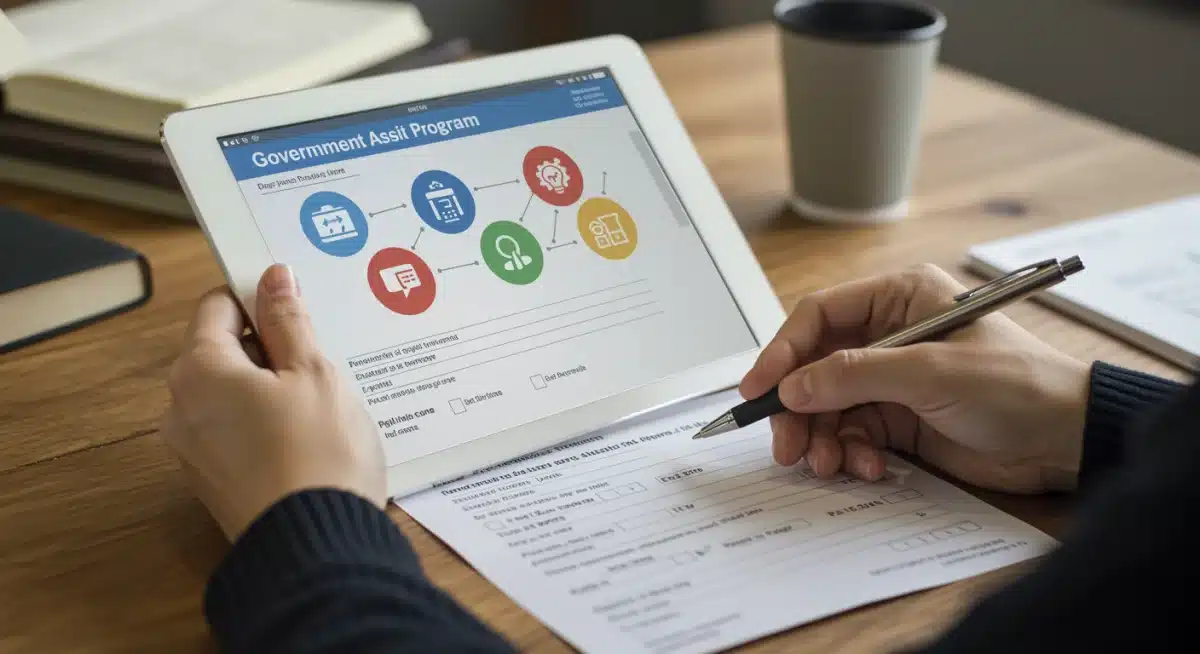
- Locate Your Local LIHEAP Office: The easiest way to do this is to visit the ACF LIHEAP website and use their state-by-state contact list, or simply search online for “LIHEAP [Your State]” or “LIHEAP [Your County]”.
- Obtain an Application Form: Many states offer online applications, while others require you to download and print a form, or pick one up in person.
- Complete the Application Carefully: Fill out all sections accurately and completely. Incomplete applications are often delayed or rejected.
- Attach All Required Documentation: Double-check that you have included every necessary document. Make copies for your records.
- Submit Your Application: Follow the specific submission instructions for your area, whether it’s online, by mail, or in person.
- Follow Up: If you don’t hear back within a reasonable timeframe, don’t hesitate to follow up with your local LIHEAP office to check on the status of your application for LIHEAP energy assistance 2026.
Maximizing Your LIHEAP Benefits (Up to $1,000 or More)
While the goal is to secure assistance, understanding how benefits are calculated and what other support might be available can help you maximize the impact of LIHEAP energy assistance 2026 on your household budget.
How Benefits Are Calculated
Benefit amounts vary significantly. Factors influencing the amount you receive include:
- Household Income and Size: Lower-income households and larger families typically receive higher benefits.
- Energy Costs: The actual cost of heating and cooling in your region, as well as your specific utility usage, can play a role.
- Funding Availability: The total amount of federal funding allocated to LIHEAP for a given year, and how that is distributed among states, can affect individual benefit amounts.
- Type of Fuel: Some states may offer different benefit levels based on whether you use electricity, natural gas, oil, propane, or wood for heating.
The “up to $1,000” figure is a common benchmark, but many households receive more or less depending on their specific circumstances and location. It’s not uncommon for crisis assistance to exceed this amount in severe cases.
Beyond Direct Bill Payment: Weatherization and Crisis Assistance
LIHEAP offers more than just help with your monthly bills:
- Crisis Assistance: If you’ve received a shut-off notice, are low on fuel, or your heating/cooling system has broken down, LIHEAP crisis assistance can provide immediate help. This often involves expedited processing and higher benefit amounts to resolve urgent situations.
- Weatherization Assistance: Some LIHEAP funds are dedicated to making homes more energy-efficient. This can include services like insulation upgrades, sealing air leaks, and repairing or replacing inefficient heating/cooling systems. Participating in weatherization programs can lead to long-term savings on your energy bills, complementing your LIHEAP energy assistance 2026.
Inquire about these additional programs when you apply for LIHEAP, as they can provide comprehensive support for your energy needs.
Tips for Managing Energy Costs Year-Round
While LIHEAP energy assistance 2026 is invaluable, adopting energy-saving habits can reduce your overall energy burden and prolong the impact of any aid you receive.
Simple Energy-Saving Strategies
- Adjust Your Thermostat: Lower your thermostat a few degrees in winter and raise it a few degrees in summer, especially when you’re away or asleep. A programmable thermostat can automate this.
- Seal Air Leaks: Use caulk or weatherstripping to seal gaps around windows and doors. This is an inexpensive way to prevent heat loss in winter and heat gain in summer.
- Unplug Electronics: Many electronics draw power even when turned off (phantom load). Unplug them or use power strips that can be switched off.
- Use Natural Light: Maximize daylight to reduce the need for artificial lighting.
- Maintain HVAC Systems: Regularly change air filters and have your heating and cooling systems serviced annually to ensure they run efficiently.
- Dress Appropriately: Layer clothing in winter and wear light, breathable fabrics in summer to reduce reliance on heating and cooling systems.
Utility Company Programs and Discounts
Many utility companies offer their own assistance programs, budget billing options, or energy efficiency rebates. Contact your electricity, gas, or oil provider to inquire about:
- Arrearage Management Programs (AMPs): These programs can help you pay off past-due balances.
- Budget Billing: This option averages your annual energy costs into consistent monthly payments, making budgeting easier.
- Energy Audits: Some utilities offer free or low-cost home energy audits to identify areas for improvement.
- Discount Rates: Low-income customers may be eligible for special discounted rates on their monthly bills.
Combining these utility programs with LIHEAP energy assistance 2026 can create a robust support system for managing your home energy expenses.
Beyond LIHEAP: Additional Resources and Support
While LIHEAP is a cornerstone of energy assistance, it’s part of a broader network of support services available to low-income households. Exploring these additional resources can provide further relief and stability.
Other Federal and State Programs
- Weatherization Assistance Program (WAP): A separate federal program (often coordinated with LIHEAP) that provides free energy efficiency improvements to low-income homes.
- Emergency Rental Assistance Program (ERAP): While primarily for rent, some ERAP funds can cover utility arrears.
- Temporary Assistance for Needy Families (TANF): States can use TANF funds for a variety of purposes, including emergency assistance for utility bills.
- State-Specific Programs: Many states have their own energy assistance programs that complement or extend LIHEAP benefits. Research your state’s Department of Social Services or Human Services website.
Community and Non-Profit Organizations
Local charities, non-profits, and community action agencies often provide direct financial assistance for utility bills or connect individuals with other resources. Organizations like the Salvation Army, Catholic Charities, and local United Way branches are good starting points. Many also offer counseling on budgeting and energy conservation.

Advocacy and Consumer Rights
Understanding your rights as a utility customer is also important. Public utility commissions (PUCs) in each state regulate utility companies and can provide information on consumer protections, such as rules regarding shut-offs, payment plans, and dispute resolution. Knowing these rights can empower you to negotiate with your utility provider and prevent unnecessary disconnections, especially when you are awaiting LIHEAP energy assistance 2026.
The Future of LIHEAP Energy Assistance 2026 and Beyond
The demand for LIHEAP consistently outstrips available funding, underscoring the critical need for continued support. Advocates regularly push for increased federal appropriations to ensure that more eligible households can receive assistance. As we look towards LIHEAP energy assistance 2026, it’s important to recognize that the program’s future depends on ongoing policy discussions and public awareness.
Stay informed about legislative changes and advocacy efforts related to LIHEAP. Your voice, and the collective voices of those who benefit from the program, can help ensure its long-term viability and effectiveness. Community action agencies and national organizations often provide ways for individuals to get involved and express their support for energy assistance programs.
Conclusion
Navigating the costs of heating and cooling your home can be one of the most challenging aspects of household budgeting, particularly for those with limited incomes. The Low Income Home Energy Assistance Program (LIHEAP) offers a vital safety net, providing financial relief that can prevent energy crises and contribute to the health and well-being of millions of Americans. By understanding the eligibility requirements, meticulously preparing your application, and proactively seeking out all available resources, you can secure the LIHEAP energy assistance 2026 you need to keep your home safe and comfortable.
Don’t wait until the last minute. Start gathering your documents, familiarize yourself with your state’s specific application process, and reach out to your local LIHEAP office today. Your proactive approach can ensure that you and your family are prepared for the energy demands of the upcoming seasons, allowing you to focus on what truly matters: your comfort and peace of mind.
Remember, help is available. Take the first step to securing your LIHEAP energy assistance 2026 and ensure a warmer winter and cooler summer for your household.