The urgency of climate change demands decisive action, and the year 2026 stands as a pivotal benchmark in the global effort to mitigate its most severe impacts. Governments worldwide are intensifying their commitments, and within this broader context, significant federal initiatives are being rolled out to drive substantial reductions in greenhouse gas emissions. Specifically, the ambitious goal of achieving a 20% reduction in emissions by the end of 2026 is a testament to a concerted, multi-faceted approach, underpinned by a robust framework of federal climate incentives. These incentives are not merely regulatory mandates; they are powerful catalysts designed to accelerate the transition to a cleaner, more sustainable economy, fostering innovation, creating green jobs, and ultimately safeguarding our planet for future generations. Understanding these federal climate incentives is crucial for businesses, communities, and individuals looking to contribute to and benefit from this transformative agenda.
Anúncios
The journey towards a 20% emissions reduction by 2026 is complex, requiring a systemic overhaul of how energy is produced, consumed, and managed across all sectors. This article will delve into the core components of these federal climate incentives, examining the legislative foundations, the types of programs available, the economic and environmental benefits they promise, and the practical steps stakeholders can take to engage with them. From tax credits for renewable energy to grants for sustainable infrastructure and regulatory frameworks encouraging efficiency, these incentives represent a comprehensive strategy to decarbonize our economy. The success of this endeavor hinges on broad participation and a clear understanding of the opportunities these incentives present. Let’s explore how these federal climate incentives are shaping our collective future.
The Urgency of Climate Action: Why 2026 Matters
The scientific consensus on climate change is unequivocal: human activities are causing unprecedented warming, leading to more frequent and intense extreme weather events, rising sea levels, and significant threats to biodiversity and human well-being. The Intergovernmental Panel on Climate Change (IPCC) and other leading scientific bodies have repeatedly warned that limiting global warming to 1.5°C above pre-industrial levels requires rapid, deep, and sustained greenhouse gas emissions reductions. The target of a 20% reduction in emissions by the end of 2026 is not an arbitrary figure; it is a critical milestone in aligning with these broader scientific recommendations and demonstrating a serious commitment to global climate goals. This near-term target serves several vital purposes:
- Setting a Precedent: Achieving a significant reduction within a short timeframe showcases the feasibility and benefits of ambitious climate policies, encouraging other nations and sub-national entities to follow suit.
- Building Momentum: Early successes can build public and private sector confidence, fostering greater investment and innovation in green technologies and sustainable practices.
- Preventing Irreversible Damage: Every fraction of a degree matters. Front-loading emissions reductions helps to avoid tipping points and reduce the likelihood of irreversible environmental changes.
- Economic Transformation: It accelerates the shift towards a green economy, creating new industries, jobs, and competitive advantages in emerging markets.
The federal government’s role in orchestrating this transition is paramount. Through a combination of legislative action, executive orders, and strategic investments, it aims to create an enabling environment where emission reduction is not just a regulatory burden but an economic opportunity. These federal climate incentives are designed to overcome market failures, reduce investment risks, and provide the necessary financial and technical support to accelerate decarbonization across all sectors. Without these targeted interventions, the pace of change would be insufficient to meet the challenges posed by climate change.
Anúncios
Pillars of Progress: Key Federal Climate Incentives
The federal government employs a diverse toolkit of incentives to steer the nation towards its 2026 emissions reduction target. These incentives typically fall into several broad categories, each designed to address specific barriers and opportunities in the transition to a low-carbon economy. Understanding these categories is key to navigating the landscape of available support.
Tax Credits and Deductions
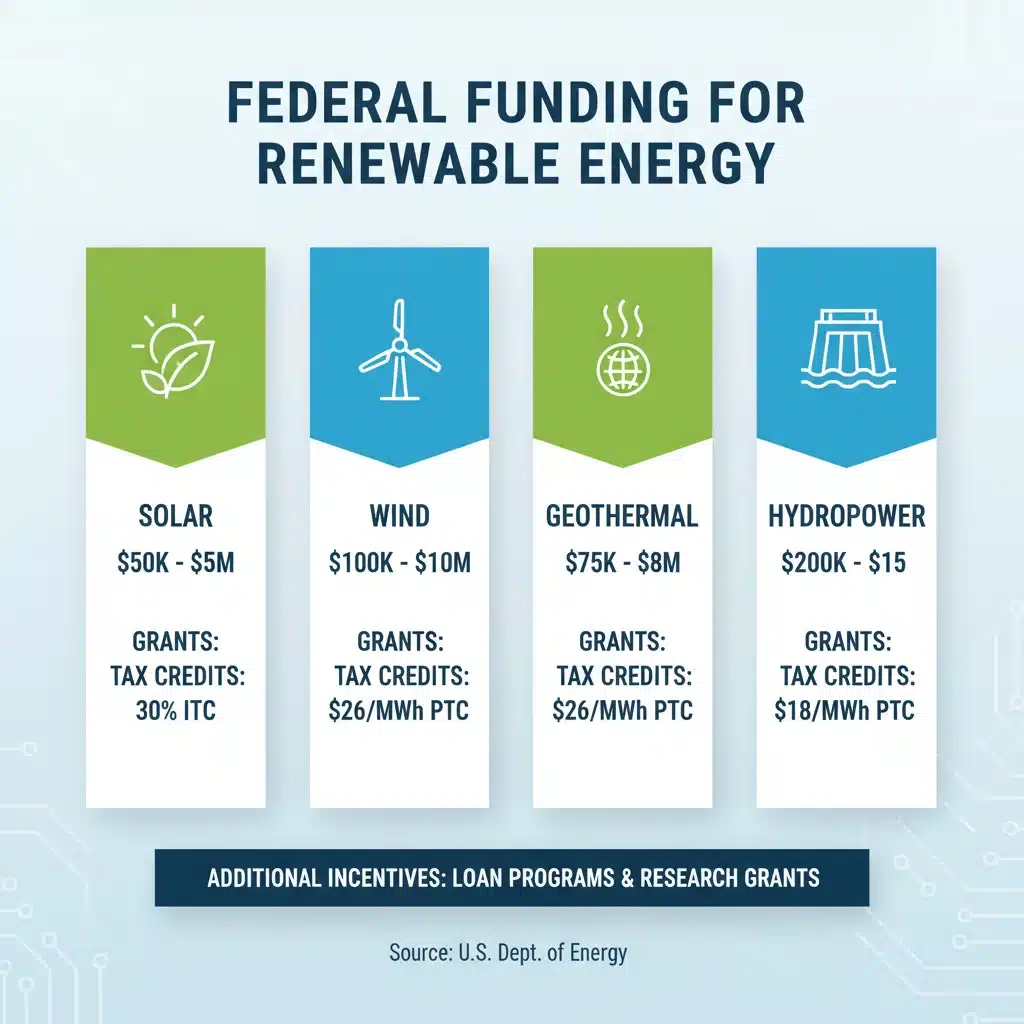
Perhaps the most widely recognized form of federal climate incentives, tax credits and deductions offer direct financial relief to individuals and businesses investing in clean energy and energy efficiency. These often include:
- Renewable Energy Tax Credits: Incentives for installing solar panels, wind turbines, geothermal systems, and other renewable energy technologies for residential and commercial properties. These can significantly offset initial installation costs.
- Electric Vehicle (EV) Tax Credits: Encouraging the adoption of zero-emission vehicles through credits for purchasing new and sometimes used EVs, reducing transportation emissions.
- Energy Efficiency Upgrades: Tax breaks for homeowners and businesses that invest in energy-efficient windows, insulation, HVAC systems, and other improvements that reduce energy consumption.
- Carbon Capture, Utilization, and Storage (CCUS) Credits: Incentives for projects that capture carbon dioxide from industrial sources, preventing its release into the atmosphere.
These tax-based incentives directly reduce the cost of green investments, making them more attractive and accessible to a broader range of participants. They are a cornerstone of the federal strategy to stimulate market demand for sustainable products and services.
Grants and Loan Programs
Beyond tax incentives, the federal government offers a variety of grants and low-interest loan programs, particularly for larger-scale projects or initiatives that may not immediately be profitable but offer significant public benefit:
- Infrastructure Grants: Funding for states, local governments, and tribal communities to develop sustainable transportation infrastructure, smart grids, and resilient public utilities.
- Research and Development (R&D) Grants: Supporting the innovation of new clean technologies, from advanced battery storage to novel carbon removal techniques.
- Green Business Loans: Providing capital to small businesses and startups focused on sustainable products, services, or manufacturing processes.
- Agricultural Conservation Programs: Incentives for farmers to adopt practices that reduce emissions, enhance soil carbon sequestration, and improve environmental stewardship.
These programs are crucial for de-risking investments in nascent technologies and enabling projects that require substantial upfront capital. They often target areas where private financing might be hesitant due to perceived risks or long payback periods.
Regulatory Frameworks and Standards
While not direct financial incentives, robust regulatory frameworks and performance standards play a critical role in driving emissions reductions. These include:
- Emissions Standards: Setting limits on pollutants from vehicles, power plants, and industrial facilities, compelling industries to adopt cleaner technologies and practices.
- Energy Efficiency Standards: Mandating minimum efficiency levels for appliances, buildings, and industrial equipment, leading to significant energy savings over time.
- Renewable Portfolio Standards (RPS): Requiring utilities to generate a certain percentage of their electricity from renewable sources, creating a guaranteed market for clean energy.
These regulations create a baseline for environmental performance, ensuring that all entities contribute to the overall emissions reduction goal. They complement financial incentives by establishing a demand for cleaner alternatives and disincentivizing high-emission activities.
Public-Private Partnerships
Recognizing that no single entity can tackle climate change alone, the federal government actively fosters public-private partnerships. These collaborations leverage the resources, expertise, and innovation of both sectors to achieve shared climate goals. Examples include joint ventures in developing large-scale renewable energy projects, funding consortia for sustainable manufacturing, and collaborative research initiatives. These partnerships are vital for scaling up solutions and ensuring that federal investments translate into tangible, widespread impact.
Navigating the Landscape: How to Access Federal Climate Incentives
For individuals, businesses, and organizations looking to participate in the climate action agenda and benefit from federal support, understanding how to access these incentives is paramount. The process can seem daunting, but with a strategic approach, opportunities abound.
For Businesses and Corporations
- Identify Relevant Programs: Begin by researching federal agencies such as the Department of Energy (DOE), Environmental Protection Agency (EPA), Department of Agriculture (USDA), and Department of Commerce. Each agency administers specific programs tailored to different sectors and technologies. Websites like Grants.gov and agency-specific portals are excellent starting points.
- Assess Eligibility: Carefully review the eligibility criteria for each program. These can vary widely based on company size, industry, project type, geographic location, and the specific technology being deployed.
- Develop a Strong Proposal: For grants and loan programs, a well-articulated proposal outlining the project’s objectives, methodology, budget, expected emissions reductions, and alignment with federal priorities is crucial. Highlight the innovative aspects and the potential for broader impact.
- Leverage Tax Professionals: For tax credits, consult with tax advisors who specialize in environmental and energy incentives. They can help identify applicable credits, ensure compliance, and maximize benefits.
- Stay Informed: Federal incentive programs are dynamic. Regularly check for updates, new initiatives, and changes to existing policies. Subscribing to relevant government newsletters and industry publications can help.
- Seek Partnerships: Collaborating with research institutions, non-profits, or other businesses can strengthen grant applications and facilitate access to broader funding pools.
For Individuals and Homeowners
- Research Residential Credits: Explore federal tax credits for energy-efficient home improvements (e.g., insulation, windows, doors, HVAC systems) and renewable energy installations (e.g., solar panels, geothermal heat pumps). The IRS website and Department of Energy resources provide detailed information.
- Understand EV Incentives: If considering an electric vehicle, research federal tax credits available for new and sometimes used EVs. Eligibility often depends on the vehicle’s manufacturing location, battery capacity, and the buyer’s income.
- Consult Local Resources: While federal, many programs are administered or complemented by state and local initiatives. Check with your state energy office or local utility provider for additional rebates or incentives.
- Work with Certified Professionals: For home energy audits or renewable energy installations, choose certified contractors who are knowledgeable about federal standards and can help ensure your project qualifies for incentives.
For Local Governments and Communities
- Explore Infrastructure Funding: Federal agencies offer substantial funding for sustainable infrastructure projects, including public transit, smart city initiatives, climate resilience projects, and clean water systems.
- Engage with Federal Agencies: Establish relationships with regional offices of federal agencies. They can provide guidance, technical assistance, and information on upcoming funding opportunities.
- Form Coalitions: Collaborate with neighboring communities, regional planning organizations, and non-profits to develop larger, more impactful projects that may attract more significant federal investment.
- Prioritize Equity: Many federal programs emphasize equitable distribution of benefits. Ensure proposals address the needs of underserved communities and promote environmental justice.
The key to successful engagement with federal climate incentives lies in proactive research, meticulous planning, and a clear understanding of both the opportunities and the requirements. By strategically leveraging these resources, stakeholders can play a vital role in achieving the 2026 emissions reduction target.
The Broader Impact: Benefits Beyond Emissions Reduction
While the primary objective of these federal climate incentives is to reduce greenhouse gas emissions, their impact extends far beyond environmental protection. The transition to a low-carbon economy, spurred by these initiatives, generates a multitude of co-benefits that contribute to a more prosperous, equitable, and resilient society.
Economic Growth and Job Creation
Investing in clean energy and sustainable infrastructure is a powerful engine for economic growth. The development, manufacturing, installation, and maintenance of renewable energy technologies, electric vehicles, and energy-efficient systems create millions of new jobs across various skill levels. This includes roles in engineering, manufacturing, construction, research, and service industries. Furthermore, the growth of green industries fosters innovation, leading to new technologies and services that can be exported, enhancing national competitiveness in the global market. These federal climate incentives are essentially an investment in future economic prosperity.
Improved Public Health
A direct consequence of reduced emissions is improved air and water quality. Less reliance on fossil fuels means fewer harmful pollutants released into the atmosphere, which are known contributors to respiratory illnesses, cardiovascular diseases, and other health problems. Cleaner air translates to fewer hospitalizations, reduced healthcare costs, and a higher quality of life for communities, particularly those historically burdened by industrial pollution. The health benefits alone represent a compelling argument for aggressive climate action.
Energy Independence and Security
Diversifying the energy portfolio away from volatile fossil fuel markets towards domestically produced renewable energy sources enhances national energy independence and security. It reduces reliance on foreign energy imports, stabilizes energy prices, and makes the energy grid more resilient to geopolitical disruptions and extreme weather events. The strategic investment in renewable energy through federal climate incentives strengthens the nation’s energy future.
Technological Innovation and Competitiveness
The push for emissions reduction stimulates innovation across various sectors. Federal funding for research and development accelerates breakthroughs in battery storage, smart grid technologies, carbon capture, sustainable agriculture, and advanced materials. This innovation not only helps meet climate goals but also positions the nation as a leader in emerging green technologies, fostering a competitive edge in the global economy. The development of new solutions to climate challenges often has spillover benefits for other technological advancements.
Enhanced Climate Resilience
While emissions reduction focuses on mitigating future climate change, many federal incentives also support adaptation and resilience efforts. Funding for resilient infrastructure, early warning systems, and natural solutions (like wetland restoration) helps communities better withstand the impacts of extreme weather events, sea-level rise, and other climate-related threats. This dual approach of mitigation and adaptation ensures a more secure future.
Environmental Justice and Equity
Many federal climate incentives are designed with an explicit focus on environmental justice, aiming to direct benefits and investments to disadvantaged communities that have historically borne a disproportionate share of environmental pollution. By prioritizing these communities in clean energy deployment, sustainable infrastructure projects, and pollution reduction efforts, the initiatives seek to rectify past injustices and ensure that the transition to a green economy is equitable for all. This focus on equity is a critical component of the broader climate strategy.

Challenges and the Path Forward
While the federal climate incentives offer a robust framework for achieving a 20% emissions reduction by 2026, the path is not without its challenges. Overcoming these hurdles will require sustained commitment, adaptive strategies, and broad collaboration.
Implementation and Bureaucracy
Translating ambitious policy goals into on-the-ground action can be complex. Navigating federal bureaucracy, understanding grant requirements, and ensuring timely disbursement of funds can be challenging for applicants. Streamlining application processes, providing clear guidance, and offering technical assistance will be crucial to maximize participation and impact. Simplifying access to federal climate incentives is a continuous process.
Technological Scalability and Infrastructure
While many clean technologies are mature, scaling them up to meet the demands of a 20% emissions reduction requires significant investment in manufacturing capacity, supply chains, and infrastructure (e.g., charging stations for EVs, grid upgrades for renewable energy integration). Ensuring a robust and resilient infrastructure will be key to the success of these initiatives.
Public and Political Will
Sustaining the momentum for climate action requires ongoing public and political support. This involves effective communication about the benefits of climate policies, addressing concerns, and building consensus across diverse stakeholders. Political shifts can sometimes threaten long-term climate commitments, making broad-based support essential.
Economic Transition for Fossil Fuel Communities
The transition away from fossil fuels, while necessary, can have significant economic impacts on communities historically reliant on these industries. Federal climate incentives must include provisions for a just transition, providing retraining programs, economic diversification initiatives, and support for workers and communities affected by the shift to a green economy. This ensures that no one is left behind in the pursuit of climate goals.
Global Cooperation
While federal action is vital, climate change is a global problem. International cooperation, shared technological advancements, and coordinated policies are essential to achieve global emissions targets. The federal government’s domestic actions serve as a model and strengthen its position in international climate negotiations.
Despite these challenges, the commitment to a 20% emissions reduction by 2026, backed by a comprehensive suite of federal climate incentives, represents a significant step forward. The collective effort of government, industry, communities, and individuals will be indispensable in turning this ambition into reality. By embracing innovation, fostering collaboration, and maintaining a steadfast focus on sustainability, we can build a cleaner, healthier, and more prosperous future for all. The federal climate incentives are not just policies; they are an investment in our shared future.
Conclusion: A Collective Leap Towards a Sustainable Future
The year 2026 looms as a critical horizon for climate action, with federal incentives poised to catalyze a transformative 20% reduction in national emissions. This ambitious target underscores a profound commitment to tackling climate change head-on, leveraging a diverse array of tools from tax credits and grants to robust regulatory frameworks and strategic public-private partnerships. These federal climate incentives are meticulously designed not only to mitigate environmental damage but also to unlock a cascade of socio-economic benefits, including job creation, enhanced public health, greater energy independence, and accelerated technological innovation.
The journey to decarbonization is complex, demanding widespread participation and a clear understanding of the opportunities presented by these initiatives. Whether you are a business seeking to innovate, a homeowner aiming for energy efficiency, or a community striving for sustainable development, the federal government has laid out a pathway for engagement and support. By actively exploring and utilizing these incentives, individuals, organizations, and governments at all levels can play a crucial role in shaping a more sustainable future.
While challenges such as bureaucratic hurdles, technological scaling, and ensuring a just transition for all communities remain, the overarching vision is clear. The federal climate incentives of 2026 represent more than just policy; they embody a collective leap towards a future where economic prosperity and environmental stewardship are inextricably linked. The success of this endeavor will not only redefine our energy landscape but also set a powerful precedent for global climate action, proving that ambitious goals, backed by strategic investment and unified effort, are indeed achievable. Let us embrace this opportunity to build a resilient, equitable, and thriving world for generations to come, powered by the promise of these transformative federal climate incentives.